
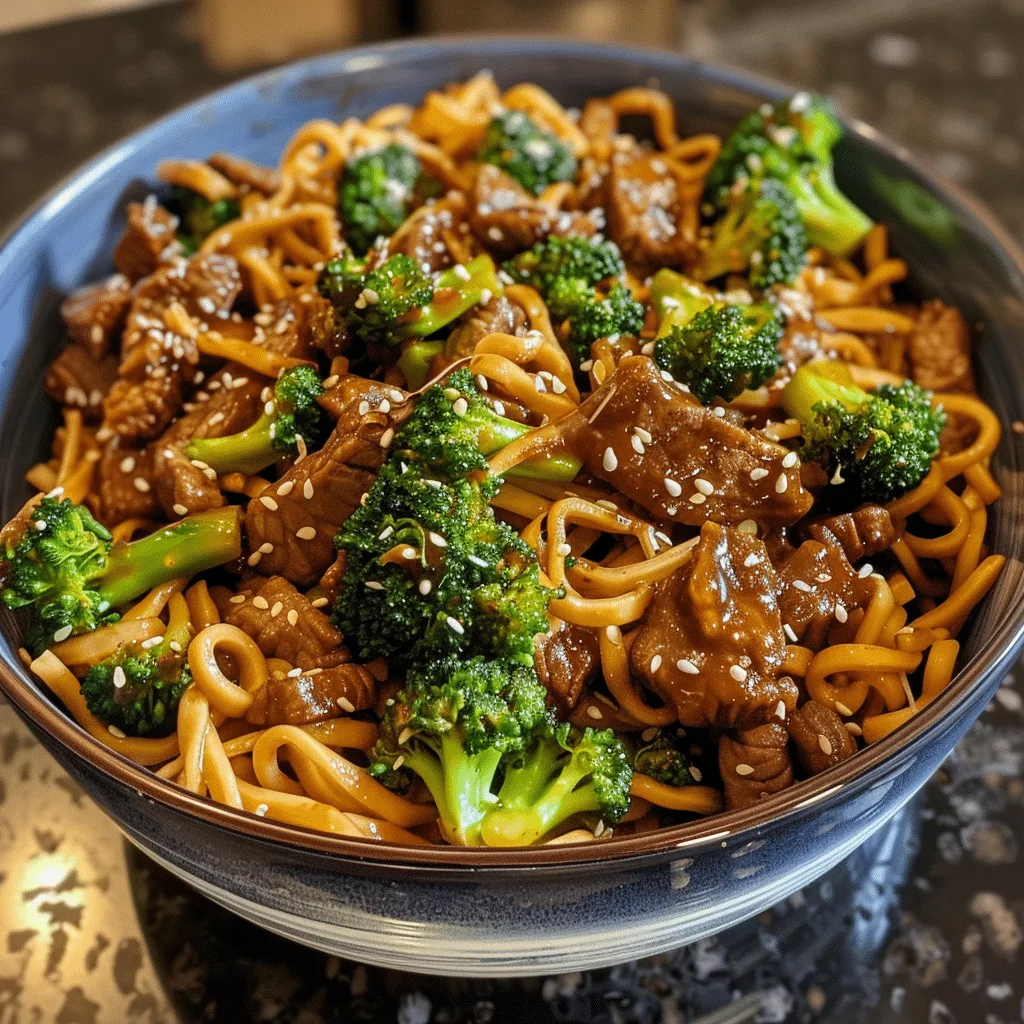
Beef and Broccoli Lo Mein is the perfect answer to your takeout cravings. Tender strips of beef, crisp-tender broccoli, and perfectly coated noodles come together in a glossy, flavorful sauce that’s both savory and slightly sweet. It’s a complete meal that’s quick to prepare, budget-friendly, and far more satisfying than anything from a restaurant. I first tried making this dish on a busy weeknight when I needed something fast yet comforting, and it instantly became a staple in my kitchen. The combination of beef, broccoli, and noodles simmered in a rich soy-based sauce feels like pure comfort in a bowl. Whether you’re cooking for family or simply treating yourself, this recipe brings authentic flavor to your table with minimal effort.
Why You’ll Love This Recipe
Beef and Broccoli Lo Mein is everything you love about classic Chinese takeout—hearty, flavorful, and incredibly satisfying—but made fresh in your own kitchen. It’s a one-pan dish that’s easy to prepare, ready in under 30 minutes, and highly customizable. The balance of tender beef, crisp broccoli, and savory noodles makes it an all-in-one meal that everyone will love.
Print
Beef and Broccoli Lo Mein: A Takeout Classic Made Easy at Home
- Total Time: 30 mins
- Yield: 4 servings
- Diet: Halal
Description
Beef and Broccoli Lo Mein is a flavorful Asian-inspired noodle dish featuring tender beef, crisp broccoli, and perfectly sauced noodles tossed in a savory garlic-ginger soy sauce. It’s quick, satisfying, and ideal for weeknight dinners.
Ingredients
- 8 oz lo mein noodles (or spaghetti noodles)
- 1 lb flank steak or sirloin, thinly sliced against the grain
- 2 cups broccoli florets
- 2 tbsp vegetable oil (divided)
- 3 cloves garlic, minced
- 1 tsp fresh ginger, minced
- 1/4 cup low-sodium soy sauce
- 2 tbsp oyster sauce
- 1 tbsp hoisin sauce
- 1 tbsp brown sugar
- 1 tsp sesame oil
- 1/2 cup beef broth or water
- 2 tsp cornstarch (optional, for thickening)
- 2 green onions, sliced (for garnish)
- Sesame seeds (optional, for garnish)
Instructions
- Cook the noodles according to package instructions. Drain and set aside.
- In a small bowl, whisk together soy sauce, oyster sauce, hoisin sauce, brown sugar, sesame oil, beef broth, and cornstarch if using. Set aside.
- Heat 1 tbsp of oil in a large skillet or wok over medium-high heat. Add the sliced beef and stir-fry for 2–3 minutes until browned. Remove and set aside.
- Add the remaining oil to the pan, then add garlic and ginger. Cook for 30 seconds until fragrant.
- Add broccoli and 2 tbsp of water. Cover and steam for 2–3 minutes until bright green and slightly tender.
- Return the beef to the pan, pour in the sauce mixture, and stir until the sauce thickens slightly.
- Add the cooked noodles and toss everything together until well coated and heated through.
- Garnish with green onions and sesame seeds before serving.
Notes
- Substitute chicken, shrimp, or tofu for the beef to vary the protein.
- Use frozen broccoli if fresh isn’t available—just thaw before cooking.
- For a spicier version, add a dash of chili garlic sauce or red pepper flakes.
- Leftovers reheat well in a skillet or microwave.
- Prep Time: 15 mins
- Cook Time: 15 mins
- Category: Main Course
- Method: Stir-Fry
- Cuisine: Asian
Ingredients
(Tip: You can find the complete list of ingredients and their measurements in the recipe card below.)
Lo mein noodles – These soft, slightly chewy noodles soak up the sauce beautifully. You can also substitute spaghetti or ramen noodles if needed.
Beef sirloin or flank steak – Thinly sliced against the grain, this cut stays tender and flavorful when cooked quickly over high heat.
Broccoli florets – Provide a fresh crunch and a pop of green that balances the richness of the beef and sauce.
Soy sauce – The foundation of the dish’s savory flavor; use low-sodium soy sauce if you prefer to control saltiness.
Oyster sauce – Adds depth and umami richness that gives the sauce its classic restaurant-style taste.
Sesame oil – Brings a nutty aroma and smooth finish to the noodles.
Garlic – Essential for that bold, aromatic flavor that defines Asian stir-fries.
Ginger – Freshly grated ginger adds warmth and zest, enhancing the beef’s flavor beautifully.
Brown sugar – Balances the salty and savory notes with a touch of sweetness.
Cornstarch – Helps thicken the sauce and gives the beef a tender coating when marinated.
Beef broth – Adds extra flavor and ensures the sauce is silky and well-rounded.
Green onions – Used for garnish and a burst of freshness at the end.
Vegetable oil – Ideal for high-heat cooking, helping the beef sear perfectly.
Directions
- Cook the lo mein noodles according to package instructions, drain, and set aside.
- In a small bowl, mix soy sauce, oyster sauce, brown sugar, sesame oil, and beef broth. Set aside.
- In another bowl, toss the sliced beef with cornstarch until evenly coated.
- Heat vegetable oil in a large skillet or wok over medium-high heat. Add the beef and cook for 2–3 minutes until browned. Remove and set aside.
- In the same pan, add garlic and ginger. Sauté for 30 seconds until fragrant.
- Add broccoli florets and stir-fry for 2–3 minutes until bright green and tender-crisp.
- Return the beef to the pan, pour in the sauce mixture, and stir to coat everything evenly.
- Add the cooked noodles and toss until the sauce thickens slightly and the noodles are fully coated.
- Garnish with chopped green onions before serving.
Equipment needed :
Must-Have Tools to Get Rolling
Here’s what you’ll want to have on hand:
Silicone Spatula – Durable, heat-resistant silicone spatula perfect for mixing, scraping, and spreading. Gentle on non-stick cookware and easy to clean.
Large pot – You’ll need this to boil the whole cabbage head and soften the leaves.
large bowl –Spacious, durable large bowl ideal for mixing, serving, or food preparation. Made from sturdy material and easy to clean.
Sharp knife – For coring the cabbage and slicing out the thick stem in each leaf. A paring knife works best.
Mixing bowl – A big bowl makes it easier to combine your meat and rice filling evenly.
Cutting board – For prepping cabbage leaves and rolling them like a pro.
9×13-inch baking dish – Ideal size to fit your rolled cabbage leaves snugly and prevent them from unraveling.
knife – A sharp, durable kitchen knife perfect for slicing, chopping, and dicing with ease
Servings and timing
This recipe serves 4 people generously.
Prep time: 10 minutes
Cook time: 15 minutes
Total time: 25 minutes
Storage/reheating
Store leftovers in an airtight container in the refrigerator for up to 4 days. Reheat gently in a skillet over medium heat with a splash of water or soy sauce to revive the noodles. You can also microwave individual portions for 1–2 minutes. Avoid freezing, as the noodles can become mushy when thawed.
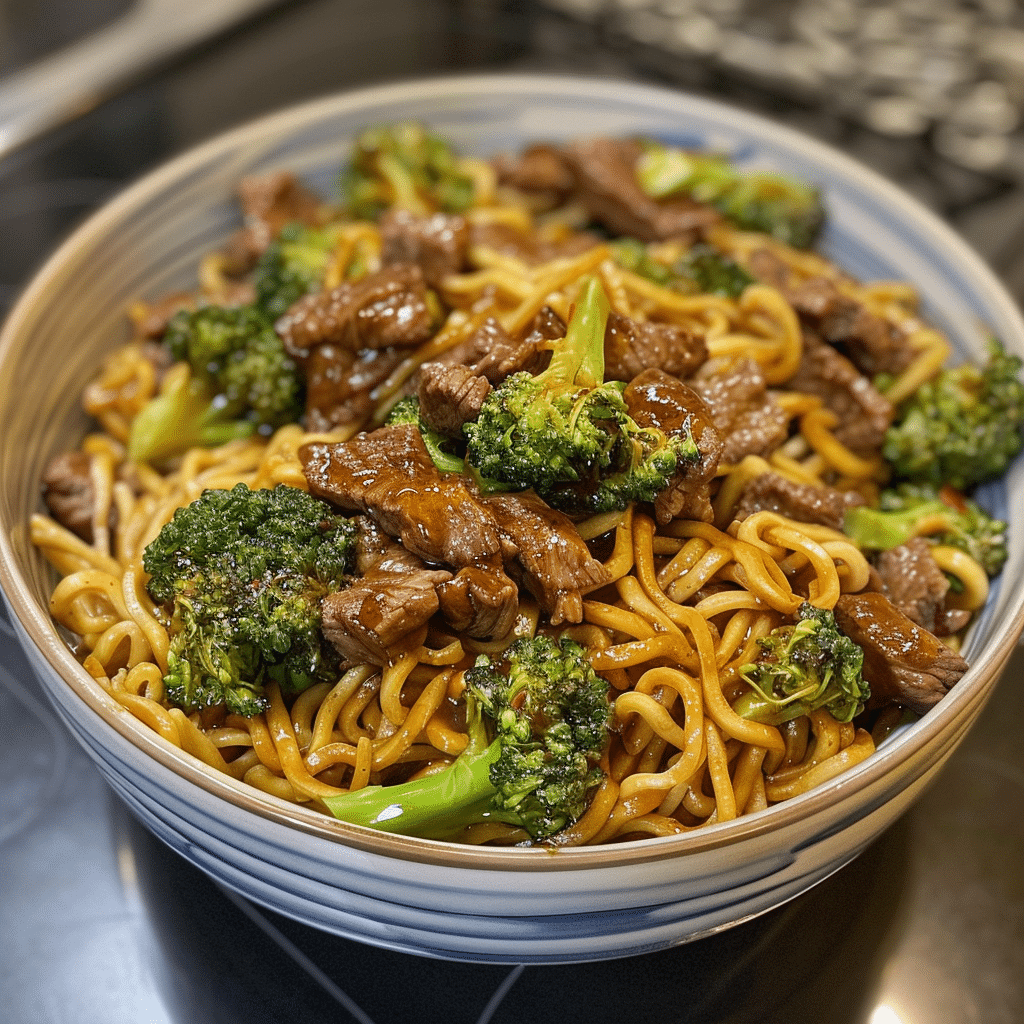
Variations and Customizations
Spicy Kick: Add chili flakes, sriracha, or chili paste for a bold heat.
Veggie Lovers: Toss in bell peppers, snap peas, or carrots for extra color and crunch.
Teriyaki Twist: Replace the sauce with teriyaki sauce for a sweeter, glaze-like finish.
Garlic Explosion: Double the garlic for a more pungent, aromatic flavor.
Low-Carb Option: Substitute the noodles with spiralized zucchini or shirataki noodles.
Sesame Lover’s Delight: Sprinkle toasted sesame seeds on top for texture and aroma.
Citrus Brightness: Add a squeeze of lime or orange juice for a zesty contrast.
Honey Soy Fusion: Mix in a tablespoon of honey for a sweet-savory balance.
Protein Swap: Try chicken, shrimp, or tofu instead of beef for variety.
Extra-Chewy Texture: Use udon noodles for a thicker, more satisfying bite.
FAQs
What type of beef works best for Lo Mein?
Flank steak or sirloin are ideal—they stay tender and flavorful when sliced thin.
Can I use frozen broccoli?
Yes, just thaw and pat dry before cooking to prevent excess moisture.
Is oyster sauce necessary?
It adds depth, but you can substitute with hoisin sauce or an extra tablespoon of soy sauce.
Can I make this gluten-free?
Use gluten-free soy sauce and rice noodles instead of lo mein.
How do I prevent the noodles from sticking?
Toss them in a bit of sesame oil after draining to keep them separated.
Can I meal prep this recipe?
Absolutely—it reheats beautifully and tastes even better the next day.
What’s the best pan to use?
A wok works best for even heat distribution, but a large nonstick skillet will also do the job.
Can I add more vegetables?
Yes, feel free to include mushrooms, cabbage, or bean sprouts for extra nutrition.
How do I thicken the sauce?
Simmer it briefly or add an extra ½ teaspoon of cornstarch mixed with water.
Is this dish spicy?
Not by default, but you can easily adjust the heat with your favorite chili sauce.
Conclusion
Beef and Broccoli Lo Mein is a quick, flavorful, and satisfying meal that brings classic takeout flavor right to your kitchen. With tender beef, crisp broccoli, and perfectly seasoned noodles, it’s a recipe that hits all the right notes—savory, slightly sweet, and utterly comforting. I’ve made this with both fresh and frozen broccoli, and it always turns out amazing. Whether it’s a weeknight dinner or a casual gathering, this dish is guaranteed to impress. Once you try it, you’ll find yourself skipping the takeout menu and reaching for your wok instead.
Hungry for more? Visit our website for full recipes and follow us on Pinterest for daily foodie inspo you’ll love to pin!