
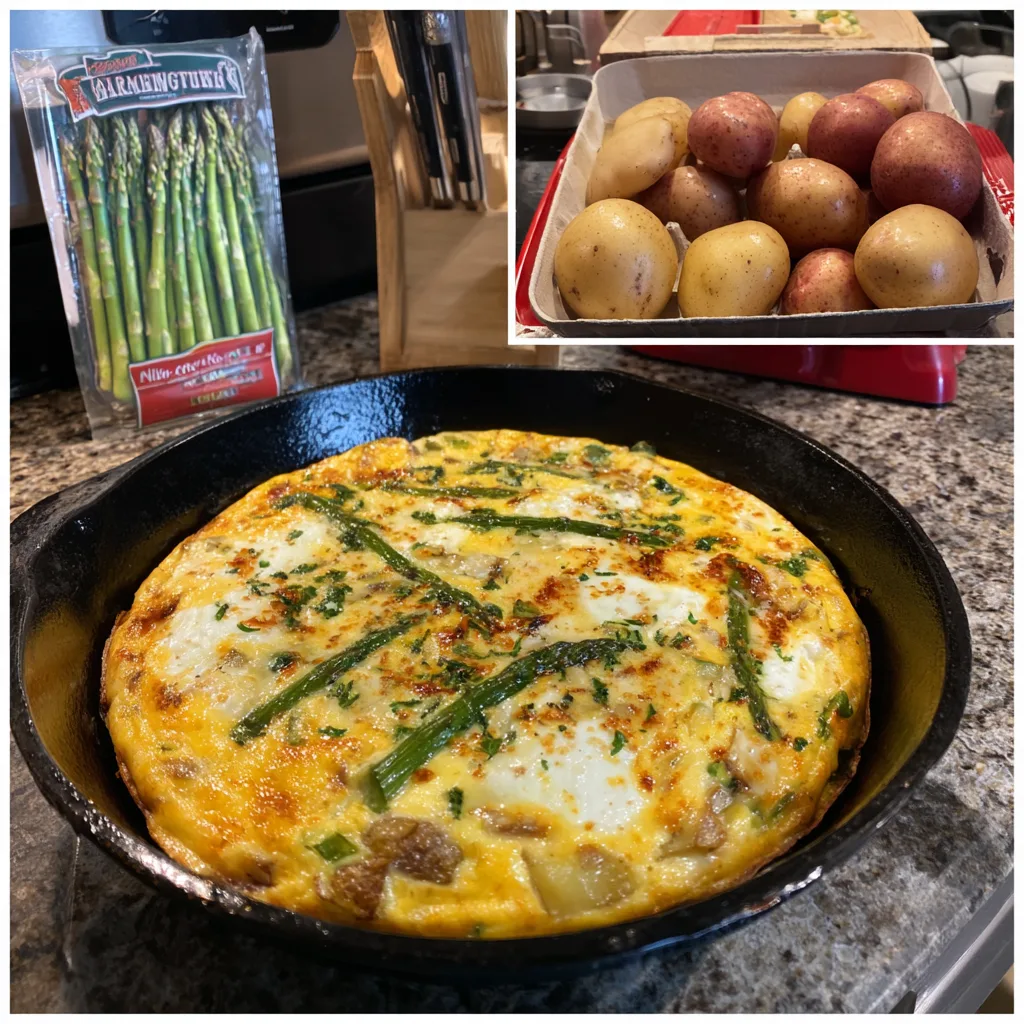
There’s something truly special about spring—the markets are filled with tender greens, young potatoes, and crisp asparagus. This Springtime Asparagus & New-Potato Frittata captures the essence of the season in every bite. It’s light yet satisfying, perfect for brunch, lunch, or even a quick dinner. The combination of creamy eggs, earthy potatoes, and the gentle snap of asparagus makes this dish as beautiful as it is delicious. I tried it with a splash of almond milk instead of regular cream, and it turned out wonderfully soft and flavorful. This is the kind of recipe that celebrates simplicity—fresh, wholesome ingredients that come together effortlessly to create a meal that feels both rustic and refined.
Why You’ll Love This Recipe
If you love seasonal produce, this frittata is a must-try. It’s packed with nutrients, easy to prepare, and incredibly versatile. Whether served warm from the oven or at room temperature, it’s equally delightful. The balance of textures—tender potatoes, crisp asparagus, and fluffy eggs—makes it a dish everyone can enjoy. Plus, it’s naturally gluten-free and can be easily customized to suit vegetarian or dairy-free diets.
Print
Springtime Asparagus & New-Potato Frittata – A Fresh Taste of the Season
- Total Time: 40 minutes
- Yield: 4 servings
- Diet: Vegetarian
Description
A light and fresh frittata celebrating spring vegetables — tender asparagus and creamy new potatoes — baked with eggs and herbs for a wholesome, satisfying meal perfect for brunch or a light dinner.
Ingredients
- 8 large eggs
- 1/2 cup milk or cream
- 1 tablespoon olive oil
- 1 tablespoon butter
- 1/2 pound new potatoes, thinly sliced
- 1 bunch asparagus, trimmed and cut into 2-inch pieces
- 1/2 cup grated Parmesan cheese
- 1/4 cup chopped fresh herbs (such as chives, parsley, or dill)
- Salt and freshly ground black pepper, to taste
Instructions
- Preheat the oven to 375°F (190°C).
- In a large ovenproof skillet, heat olive oil and butter over medium heat.
- Add sliced new potatoes and cook for 8–10 minutes until tender and lightly golden.
- Add asparagus pieces and cook for another 3–4 minutes until just tender.
- In a bowl, whisk together eggs, milk, Parmesan, herbs, salt, and pepper.
- Pour the egg mixture evenly over the vegetables in the skillet. Cook gently for 2–3 minutes until the edges begin to set.
- Transfer the skillet to the oven and bake for 10–12 minutes, or until the center is set and lightly golden on top.
- Let cool slightly before slicing and serving warm or at room temperature.
Notes
- Use any fresh spring herbs you like — mint and tarragon also pair beautifully.
- This frittata can be served hot or cold, and makes excellent leftovers.
- For extra flavor, add a few crumbles of goat cheese before baking.
- Prep Time: 15 minutes
- Cook Time: 25 minutes
- Category: Breakfast, Brunch, Main Course
- Method: Baked
- Cuisine: European
Ingredients
(Tip: You can find the complete list of ingredients and their measurements in the recipe card below.)
Eggs – The foundation of any frittata. Fresh, free-range eggs yield a richer flavor and creamier texture. They bind everything together beautifully and puff slightly in the oven.
Asparagus – The star of this recipe. Choose firm, bright green stalks with tightly closed tips. When roasted or lightly sautéed, asparagus adds a delicate sweetness and a satisfying crunch.
New Potatoes – Small, tender potatoes with thin skins that don’t require peeling. They add substance to the dish without overpowering it. Parboiling them first ensures they cook evenly with the eggs.
Milk or Cream – Adds creaminess and helps achieve that silky, custard-like texture. As mentioned, almond milk works just as well if you’re keeping it lighter or dairy-free.
Parmesan Cheese – Adds depth and a hint of saltiness. Grate it fresh for the best flavor. You can substitute with pecorino or even a mild cheddar if you prefer.
Onion – Gently sautéed onion lends a subtle sweetness that balances the earthiness of the potatoes.
Olive Oil – A drizzle of good-quality olive oil enhances the flavor and helps the vegetables cook evenly.
Salt and Black Pepper – Simple seasonings that elevate the natural flavors of the ingredients.
Directions
Start by preheating your oven to 375°F (190°C). Bring a pot of salted water to a boil and parboil the new potatoes for about 8 minutes until just tender. Drain and set aside.
In an ovenproof skillet, heat olive oil over medium heat. Add the onion and sauté until soft and translucent. Next, add the asparagus pieces and cook for a few minutes until they start to soften. Stir in the potatoes, ensuring everything is evenly coated in oil and lightly golden.
In a large bowl, whisk the eggs, milk, Parmesan, salt, and pepper until smooth. Pour this mixture over the vegetables in the skillet. Cook gently on the stovetop for about 4–5 minutes, letting the edges begin to set.
Transfer the skillet to the oven and bake for 15–18 minutes until the center is set and lightly golden on top. Let it rest for a few minutes before slicing. Serve warm or at room temperature with a side salad for a complete meal.
Equipment needed :
Must-Have Tools to Get Rolling
Here’s what you’ll want to have on hand:
Silicone Spatula – Durable, heat-resistant silicone spatula perfect for mixing, scraping, and spreading. Gentle on non-stick cookware and easy to clean.
Large pot – You’ll need this to boil the whole cabbage head and soften the leaves.
large bowl –Spacious, durable large bowl ideal for mixing, serving, or food preparation. Made from sturdy material and easy to clean.
Sharp knife – For coring the cabbage and slicing out the thick stem in each leaf. A paring knife works best.
Mixing bowl – A big bowl makes it easier to combine your meat and rice filling evenly.
Cutting board – For prepping cabbage leaves and rolling them like a pro.
9×13-inch baking dish – Ideal size to fit your rolled cabbage leaves snugly and prevent them from unraveling.
knife – A sharp, durable kitchen knife perfect for slicing, chopping, and dicing with ease
Servings and timing
This recipe serves 4 to 6 people generously. Preparation takes around 15 minutes, with a 20-minute cook time—a total of 35 minutes from start to finish.
Storage/reheating
Store leftover frittata in an airtight container in the refrigerator for up to 3 days. To reheat, warm slices gently in a skillet over low heat or in the oven at 300°F (150°C) until just heated through. It can also be enjoyed cold as a quick breakfast or lunch.
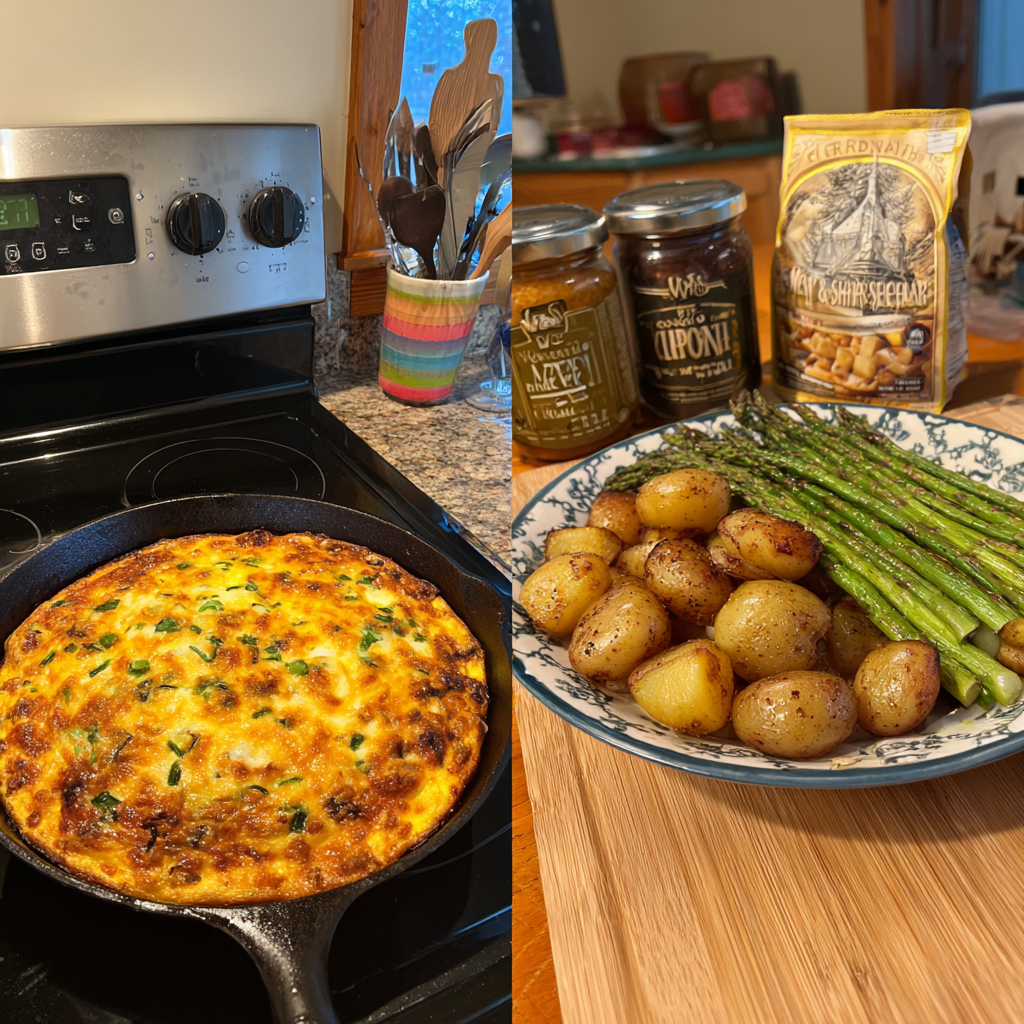
Variations and Customizations
Add More Greens – Toss in some spinach or kale for extra nutrients and a deeper flavor.
Cheese Swap – Try goat cheese, feta, or ricotta instead of Parmesan for a tangy twist.
Protein Boost – Add diced ham, cooked bacon, or smoked salmon for a heartier version.
Spice It Up – Sprinkle in a pinch of chili flakes or paprika for a hint of warmth.
Herb Lovers’ Delight – Fresh herbs like dill, chives, or basil complement the eggs beautifully.
Dairy-Free Option – Use almond, soy, or oat milk with a dairy-free cheese alternative.
Mushroom Magic – Sautéed mushrooms add umami depth and a meaty texture.
Potato-Free Version – Replace potatoes with zucchini or bell peppers for a lighter take.
Mini Frittatas – Pour the mixture into muffin tins for portable, bite-sized portions.
Crust Variation – For a quiche-like effect, bake the frittata mixture in a pre-baked pie crust.
FAQs
1. Can I make this frittata ahead of time?
Yes, it can be made a day in advance and stored in the refrigerator. Reheat before serving.
2. What’s the best way to avoid a watery frittata?
Make sure the vegetables are cooked well and not releasing excess moisture before adding the eggs.
3. Can I use frozen asparagus?
Yes, just thaw and pat dry before using to prevent excess water.
4. How do I know when the frittata is done?
The center should be set and no longer jiggly. A knife inserted should come out clean.
5. Can I use other vegetables?
Absolutely. Bell peppers, spinach, zucchini, or peas all work well.
6. What type of cheese melts best?
Soft cheeses like mozzarella or goat cheese melt beautifully and add creaminess.
7. Can I make this in a baking dish instead of a skillet?
Yes, use a greased 9-inch baking dish and bake as directed.
8. Is this recipe gluten-free?
Yes, naturally gluten-free unless you add a crust.
9. What can I serve with this frittata?
A light green salad, fresh fruit, or crusty bread makes great sides.
10. Can I freeze leftovers?
Yes, wrap tightly and freeze for up to one month. Reheat in the oven before serving.
Conclusion
This Springtime Asparagus & New-Potato Frittata is a celebration of freshness and simplicity. With its vibrant colors and comforting flavors, it’s the perfect dish for any spring gathering. Whether you’re hosting brunch, meal-prepping for the week, or simply craving something wholesome, this frittata delivers every time. It’s proof that a few seasonal ingredients, treated with care, can create something truly memorable.
Hungry for more? Visit our website for full recipes and follow us on Pinterest for daily foodie inspo you’ll love to pin!